
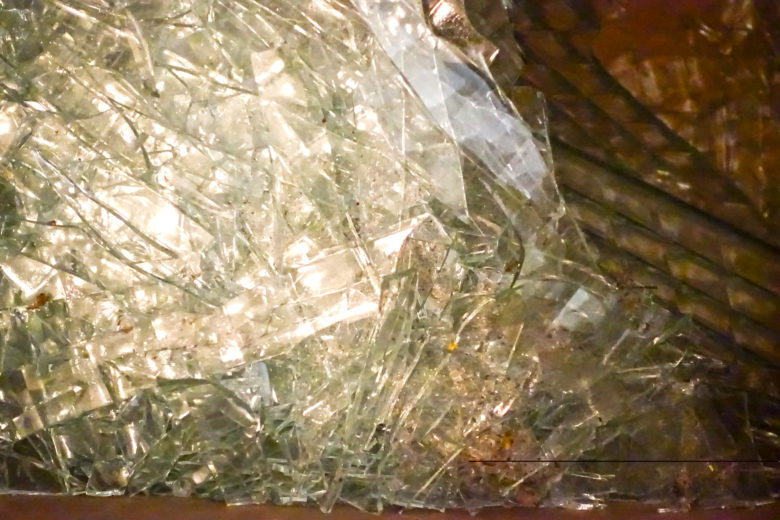
Glass is one of very few materials that can be recycled endlessly without losing its strength or quality. It is originally manufactured from materials like sand and ash, heated and molded into what we know as bottles and jars. Learn more facts and figures about glass recycling by reading this article from the Glass Packaging Institute.
In Michigan, single-serve carbonated beverages contained in glass bottles require a $.10 deposit. When those containers are returned to the store for deposit redemption, they are recycled through product distributors.
Glass containers not covered under the Michigan Deposit Law are often included in community recycling programs. Glass can be challenging to handle for the recycling industry because it damages equipment, contaminates other recycling streams, and creates working hazards. Many communities have stopped collecting glass, especially green glass, because it has a low market value and can create other problems for the program.
Different types of glass have different melting points. Some glass is made to withstand high temperatures, while others are made to hold cold drinks. Often, beverage and food bottles and jars are the only type of glass accepted in local recycling programs. However, there may be other resources in your community for recycling window/plate glass. Check with your local recycling contact to see where you can safely recycle your glass.